The 120-mile stretch between Los Angeles International Airport and San Diego represents one of Southern California’s busiest travel corridors. While you’ve got options like rental cars, shuttles, or rideshares, a dedicated LAX to San Diego car service offers something these alternatives can’t match: predictability.
I’ve watched countless travelers struggle with the logistics of this journey. You land after a long flight, you’re tired, and the last thing you want is to navigate unfamiliar freeways or wait around for a shuttle to fill up. Professional car service eliminates these headaches entirely.
Understanding the LAX to San Diego Route
The journey typically follows Interstate 5 south through Orange County and into San Diego County. It’s straightforward on paper, but the reality involves navigating some of California’s most congested highways. Professional drivers know this route intimately, understanding which lanes move fastest during rush hour and where accidents typically occur.
Business travelers particularly appreciate the ability to work during transit. With reliable WiFi and a quiet environment, you can turn what would otherwise be dead time into productive hours. Families benefit from the space and comfort, especially when traveling with children or elderly relatives who need extra accommodation.
Who Benefits Most from LAX to San Diego Car Service
Corporate executives heading to meetings in San Diego’s business districts find car service invaluable. You can prep for presentations, take calls, or simply rest before important engagements. Groups traveling together also benefit significantly, as splitting the cost among several passengers often makes car service competitive with other options.
Travelers with tight schedules can’t afford the uncertainty of public transportation or the stress of driving themselves. When you’ve got a connecting flight from San Diego or a cruise departure to catch, professional car service provides the reliability you need.
Transit Times and Journey Planning: What to Expect
Here’s what most travel guides won’t tell you: the difference between best-case and worst-case transit times can be dramatic. I’ve seen this journey take anywhere from under two hours to well over four, depending on conditions.
Standard Transit Times by Time of Day
Early morning departures between 6-10am typically take 2.5 to 3 hours. You’ll catch some commuter traffic leaving LA, but it generally flows steadily. Midday travel from 10am to 3pm offers the best conditions, often completing the journey in 2 to 2.5 hours when traffic cooperates.
Afternoon rush hour from 3-7pm is where things get tr icky. Budget 3 to 4 hours for this window, sometimes longer on Fridays. Evening and night travel after 7pm usually returns to the 2.5-hour range, though weekend nights can see increased traffic from people heading to San Diego’s nightlife districts.
Day-of-Week Variations
Weekdays bring predictable rush hour patterns, but Friday afternoons deserve special mention. The combination of commuters and weekend travelers creates some of the worst congestion you’ll encounter. Sunday evenings also see heavy northbound traffic, which can create slowdowns in both directions.

Weekends generally offer smoother sailing, though summer Saturdays can get busy with beach traffic. Professional drivers adjust their routes based on these patterns, sometimes taking alternative paths that locals know but GPS systems might miss.
Seasonal and Holiday Traffic Patterns
Summer months bring increased traffic from tourists and families on vacation. Major holidays like Thanksgiving, Christmas, and Memorial Day weekend can add 30-60 minutes to your journey. Comic-Con in San Diego creates unusual traffic patterns in July, as does the Del Mar racing season.
Smart travelers build in buffer time during these periods. If you’ve got a critical appointment or flight connection, adding an extra hour to your estimated travel time provides peace of mind.
Weather and Unexpected Delays
Southern California drivers aren’t accustomed to rain, and even light precipitation can cause significant slowdowns. Fog occasionally affects coastal sections of the route, particularly near Camp Pendleton. Accidents happen frequently on this busy corridor, and a major incident can add substantial delays.
Professional car services monitor traffic conditions in real-time and maintain communication with their dispatch teams. This network approach means your driver knows about problems before you encounter them.
Traffic Considerations and Route Optimization
The I-5 corridor through Orange County consistently ranks among California’s most congested highways. Understanding where bottlenecks occur helps explain why professional drivers earn their keep on this route.
Major Traffic Bottlenecks to Anticipate
The stretch through Irvine and Mission Viejo often slows to a crawl during peak hours. The merge where I-405 rejoins I-5 near Irvine creates a notorious chokepoint. Further south, the San Clemente area can back up, particularly where the highway narrows near the coast.
Camp Pendleton’s 17-mile stretch through the Marine base offers limited exit options, meaning any incident there affects everyone. The Oceanside area, where many commuters enter and exit, sees regular congestion during business hours.
Alternative Routes and When to Use Them
Experienced drivers sometimes use I-405 south to avoid LAX-area congestion before rejoining I-5. In extreme situations, portions of Highway 1 or inland routes through Temecula might make sense, though these alternatives typically add distance and time under normal conditions.
The key is having a driver who knows when these alternatives actually help versus when they’re just different ways to sit in traffic. Local knowledge matters here more than any navigation app can provide.
Real-Time Traffic Monitoring
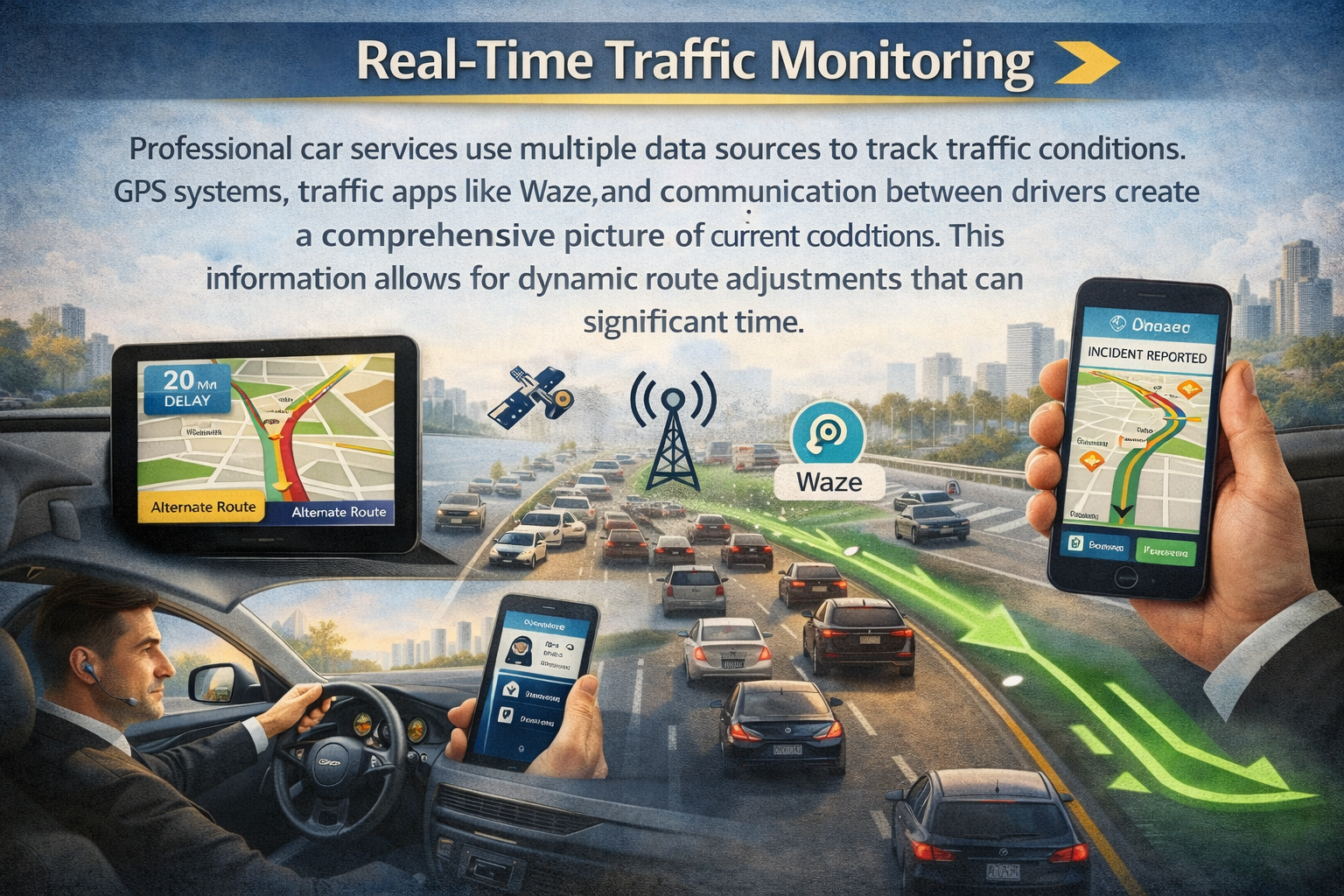
Professional car services use multiple data sources to track traffic conditions. GPS systems, traffic apps like Waze, and communication between drivers create a comprehensive picture of current conditions. This information allows for dynamic route adjustments that can save significant time.
Rush Hour Strategies
When possible, scheduling your departure outside peak hours makes the biggest difference. If you must travel during rush hour, leaving LAX before 3pm or after 7pm helps considerably. Some travelers intentionally book later flights to avoid afternoon congestion, arriving in San Diego refreshed rather than stressed from sitting in traffic.
LAX Pickup Protocols: Ensuring a Smooth Departure
LAX’s pickup procedures have evolved significantly in recent years. Understanding current protocols prevents confusion and delays when you’re ready to start your journey to San Diego.
Understanding LAX Terminal Layout and Pickup Zones
LAX operates nine passenger terminals arranged in a horseshoe pattern. The airport implemented the LAX-it lot for most rideshare and taxi pickups, but pre-arranged car services typically use designated areas closer to the terminals. Your car service should provide specific instructions based on your arrival terminal.

Each terminal has its own characteristics and traffic patterns. International arrivals at the Tom Bradley International Terminal involve different procedures than domestic arrivals at other terminals.
Pre-Arrival Coordination
Provide your car service with complete flight information including airline, flight number, and scheduled arrival time. Most services monitor flights automatically, but confirming these details ensures nothing falls through the cracks. Exchange contact information with your driver or dispatch, including a phone number that works in the US if you’re traveling internationally.
Some services offer text message updates as your flight approaches, letting you know your driver’s location and any special instructions for meeting.
Flight Delay and Early Arrival Procedures
Quality car services include flight monitoring in their standard service. If your flight arrives early or late, your driver adjusts accordingly without additional charges. This flexibility represents one of the key advantages over fixed-schedule shuttles or rideshares you’d need to rebook.
Significant delays might require communication with your service to confirm arrangements, but reputable companies handle these situations routinely.
Meeting Your Driver: Step-by-Step Process
After collecting your luggage, follow your service’s specific instructions for the meeting point. Many drivers wait in designated areas with a sign displaying your name. If you can’t locate your driver immediately, call the number provided rather than wandering around searching.
Professional drivers typically arrive early and monitor your progress through the terminal. They understand that international arrivals take longer due to customs and immigration processing.
Luggage Handling and Vehicle Boarding
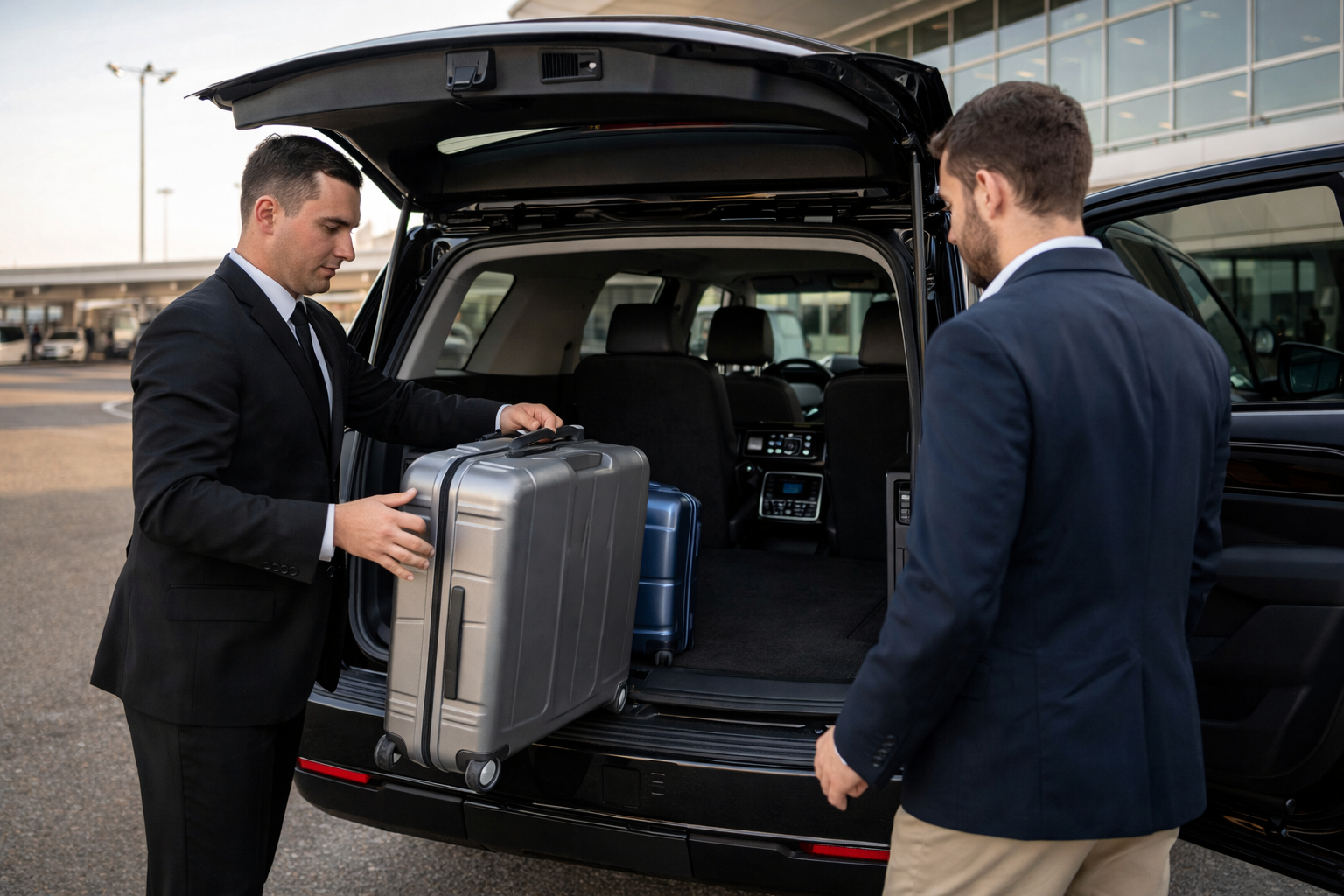
Your driver should assist with luggage, loading it securely in the vehicle. Take a moment to ensure you’re comfortable with the temperature and seating arrangement before departing. Professional chauffeurs will ask about your preferences and adjust accordingly.
Border Considerations and International Traveler Needs
International travelers and those continuing to Mexico face additional considerations that affect timing and logistics.
For International Arrivals at LAX
Customs and immigration processing adds time to your airport experience. Budget at least 45-60 minutes beyond your flight’s arrival time for these procedures, potentially longer during peak international arrival periods. Your car service should account for this when scheduling your pickup.
Communicate with your driver once you’ve cleared customs and collected your bags. This gives them a precise ETA for meeting you.
Continuing to Tijuana or Mexico
Some travelers need to continue into Mexico after reaching San Diego. Most US-based car services drop passengers at the border crossing rather than crossing themselves. The San Ysidro Port of Entry and the Cross Border Xpress bridge near the Tijuana airport represent common drop-off points.
Coordinate these arrangements in advance, as they require specific planning and potentially different pricing structures.
San Diego Airport Alternative
Sometimes flying directly into San Diego International Airport makes more sense, despite potentially higher airfares or less convenient flight times. If your final destination is in San Diego proper, the time and cost savings might justify the premium. Car services can also coordinate multi-leg journeys if your travel plans involve both airports.
Choosing the Right LAX to San Diego Car Service
Not all car services offer the same level of quality or reliability. Knowing what to look for helps ensure you get the experience you’re paying for.
Vehicle Options and Capacity
Standard sedans accommodate up to three passengers comfortably with moderate luggage. SUVs handle up to six passengers or smaller groups with substantial luggage. Luxury vehicles offer premium amenities for those wanting extra comfort. Vans and larger vehicles suit groups of seven or more.
Be honest about your luggage requirements when booking. Nothing’s worse than discovering your bags won’t fit in the vehicle that arrives.
Pricing Models and What’s Included
Most services offer flat-rate pricing for the LAX to San Diego route, which provides cost certainty regardless of traffic conditions. Understand what’s included in the base rate: fuel, tolls, gratuity, and waiting time should typically be covered. Some services charge extra for additional stops or extended waiting periods.
Get pricing in writing before booking, and clarify any potential additional charges upfront.
Service Guarantees and Reliability Indicators
Look for services with proper licensing and commercial insurance. Professional chauffeurs should be background-checked and trained. Flight monitoring should be standard, not an add-on. Customer reviews on platforms like Google or Yelp provide insight into actual customer experiences.

Amenities and Comfort Features
WiFi connectivity has become standard in many vehicles, essential for business travelers. Bottled water and phone chargers represent common amenities. Premium services might offer newspapers, snacks, or entertainment systems. Privacy partitions matter for confidential business calls.
Booking Process and Cancellation Policies
Book at least 24-48 hours in advance when possible, though many services accommodate last-minute requests. You’ll need to provide flight details, passenger count, luggage quantity, and any special requirements. Understand cancellation policies before booking, as these vary significantly between providers.
Maximizing Your Journey: Tips for a Comfortable Ride
A few simple preparations can transform your LAX to San Diego car service from merely convenient to genuinely enjoyable.
Preparing for Your Journey
Dress comfortably for the journey, keeping in mind that you’ll be sitting for 2-4 hours. Keep essential items in a carry-on bag that’s easily accessible: medications, important documents, electronics, and anything you might need during transit. Pack snacks if you have dietary restrictions, though many drivers can accommodate reasonable food requests with advance notice.
Working or Relaxing En Route
Business travelers should test WiFi connectivity early in the journey and have a backup plan using phone hotspots if needed. Noise-canceling headphones help create a productive environment for calls or focused work. Those preferring to relax might download entertainment before the trip, as streaming can be unreliable despite WiFi availability.
Rest Stop and Refreshment Options
The route offers several convenient rest stop locations if needed. Most drivers know the cleanest facilities and can recommend options based on your preferences. Factor in 10-15 minutes for any stops when planning your arrival time.
Communication with Your Chauffeur
Professional chauffeurs appreciate clear communication about your preferences. Let them know if you prefer conversation or quiet. Don’t hesitate to ask questions about San Diego or request recommendations for restaurants and attractions. Many drivers possess extensive local knowledge that can enhance your visit.
Making Your LAX to San Diego Transfer Seamless
The difference between a stressful journey and a smooth one often comes down to preparation and choosing the right service. Professional LAX to San Diego car service eliminates the variables that make this trip unpredictable when you’re driving yourself or using less reliable transportation options.
Quick Reference Checklist
- Book your car service 24-48 hours in advance
- Provide complete flight information including airline and flight number
- Confirm vehicle size matches your passenger and luggage needs
- Clarify all pricing and what’s included in the base rate
- Exchange contact information with your driver or dispatch
- Allow 2.5-4 hours for the journey depending on departure time
- Keep essential items in an accessible carry-on bag
- Communicate any special requirements or stops needed
- Test WiFi connectivity early if you need to work en route
When to Book Your Car Service
Advance booking provides the best vehicle selection and pricing, particularly during busy travel periods. That said, quality services often accommodate same-day requests when vehicles are available. If you’re traveling during holidays or major San Diego events, booking a week or more in advance ensures availability.

The LAX to San Diego corridor sees thousands of travelers daily, but with proper planning and a reliable car service, your journey can be the easiest part of your trip. Focus on what matters, whether that’s preparing for business meetings, relaxing before vacation activities, or simply arriving refreshed and ready for whatever brings you to San Diego.